
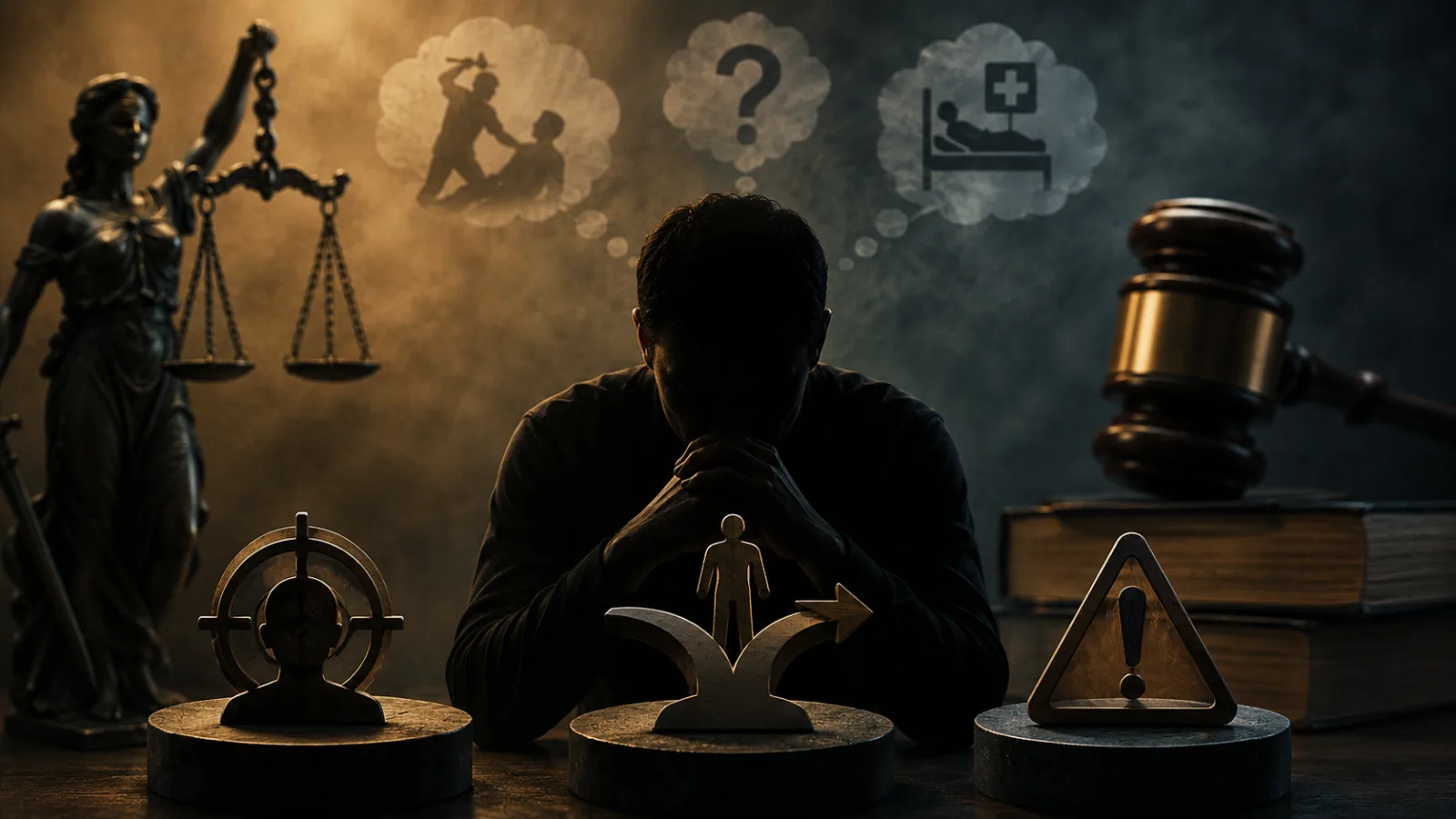
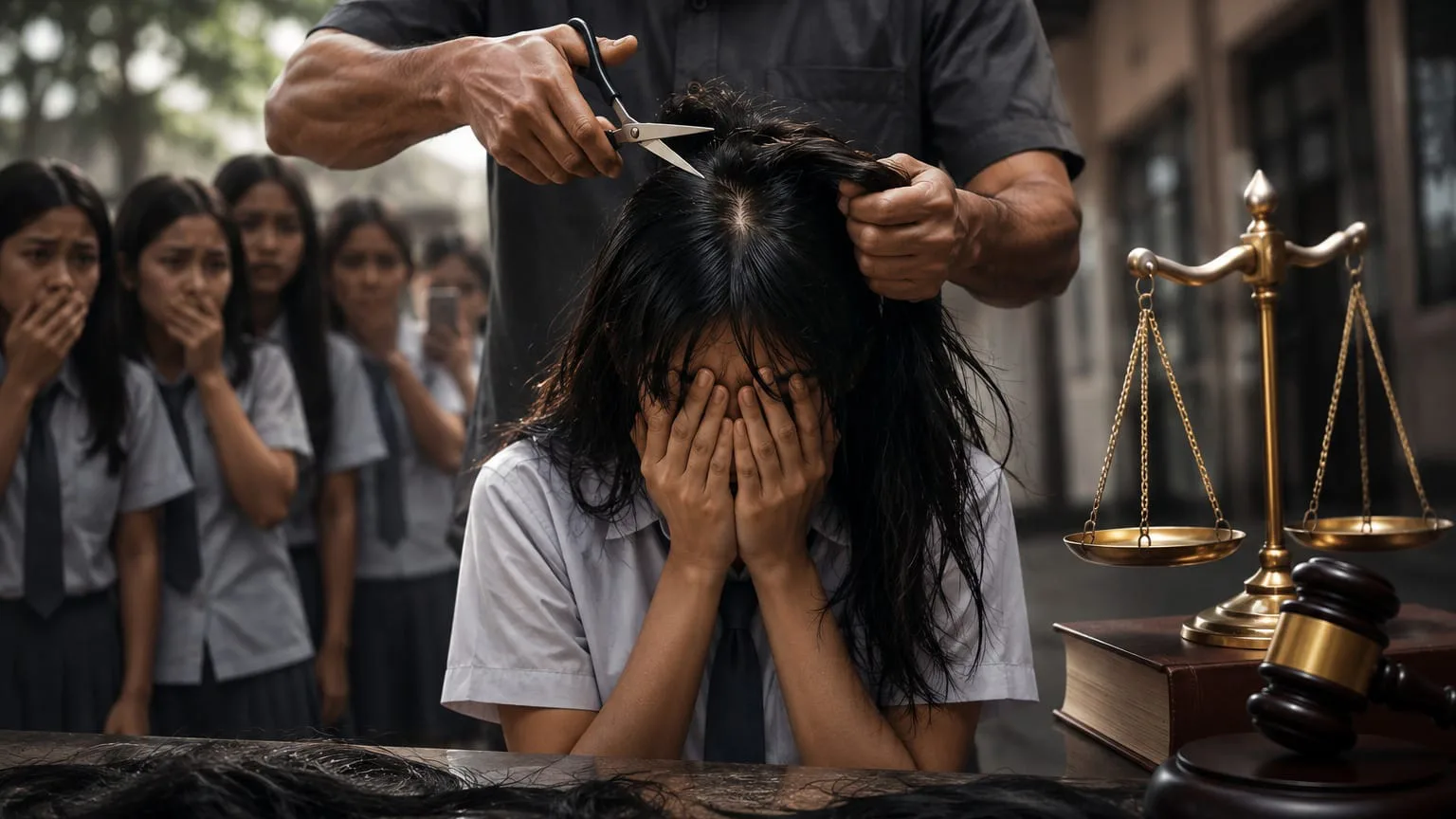
Legal Literacy - The phenomenon of bullying in schools is still rife. Perpetrators and victims who are children have the right to legal protection.
What is Bullying?
Bullying is a popular term for bullying. According to Kamus Besar Bahasa Indonesia (Great Dictionary of the Indonesian Language), perundungan (bullying) comes from the word rundung. This word means to tease, disturb continuously, and make the victim suffer. It can be defined as an act of violence intentionally committed with the aim of oppressing or victimizing someone weaker.[1]


This phenomenon of violence that occurs in schools must be a concern for the government. This is because children are the holders of the nation's leadership relay in the future.
One of the concerns that the government can provide is to provide legal protection for both perpetrators and victims that occur in schools. So, what is the legal protection for perpetrators and victims of bullying? Here is the explanation.
Forms of Bullying in Schools
There are 5 categories of actions, including:[2] First, direct physical contact. For example, pushing, scratching, hitting, pinching, damaging other people's belongings, and extortion.
Second, direct verbal contact. For example, mocking, threatening, intimidating, humiliating, name calling, etc. Third, direct non-verbal behavior that is usually accompanied by verbal or physical bullying. For example, displaying mocking, demeaning, or threatening facial expressions.
Fourth, indirect non-verbal behavior. For example, ostracizing friends. Finally, sexual harassment that can fall into the category of verbal behavior or physical aggression.
Factors Causing Bullying in Schools
There are 3 factors that cause bullying in schools, here is the explanation:[3]
- Family factor
Family parenting patterns are one of the factors that influence a child's behavior. The causes of bullying are family disharmony and the family's indifference towards the child.
- Peer factor
Students spend a lot of time at school with their peers. These students who are still teenagers are children who are looking for their identity, so these children will have a desire to be recognized and try to become rulers.
- Mass media factor
One of the causes of bullying is playing online games, watching YouTube, and mass media that contain elements of violence.
Legal Protection for Victims of Bullying
Legal protection for victims of bullying has been regulated by the government and has been stated in its regulations. The first legal protection is stated in the 1945 Constitution of the Republic of Indonesia. The 1945 Constitution explains that every citizen has the right to feel safe and has the right to protection from all kinds of threats.
The second legal protection is contained in the Law on Child Protection, namely Law Number 35 of 2014 concerning Amendments to Law Number 23 of 2022. Article 76 C explains that there is a prohibition on committing violence against children.
Furthermore, children have the right to receive protection from bullying in the form of persecution, torture, or inhumane punishment. This right of children has been regulated in Article 16 paragraph (1) of the Child Protection Law.
Legal Protection for Perpetrators of Bullying
Bullying acts that are closely related to physical violence will be punished as stipulated in Article 80 of the Child Protection Act. In that article, the punishment for perpetrators who violate Article 76 C of the Child Protection Act is a maximum imprisonment of 3 years and 6 months and/or a maximum fine of seventy-two million rupiah, and the perpetrator is sentenced to a maximum imprisonment of 5 years and/or a maximum fine of one hundred million rupiah.
Because the perpetrator is a child, the process is carried out in accordance with Law Number 11 of 2012 concerning the Juvenile Justice System. Based on Article 80 paragraphs (1) and (2), it is explained that criminal sanctions with a threat of imprisonment of less than 7 years must be subject to diversion efforts.
Diversion efforts are legal efforts to achieve restorative justice, namely the settlement of criminal cases by involving perpetrators, victims, families, and related parties. The aim is to find a fair solution by emphasizing recovery to the original state and not retaliation.
If there is no agreement in the diversion process, the perpetrator who is a child can be tried by paying attention to the principles that have been written in the Juvenile Justice System Law.[4]
References
[1] Kusumasari Kartika Hima Darmayanti, Farida Kurniawati, and Dominikus David Biondi Situmorang, “Bullying Di Sekolah: Pengertian, Dampak, Pembagian Dan Cara Menanggulanginya,” Pedagogia 17, no. 1 (2019): 55–66.
[2] Rischa Pramudia Trisnani and Silvia Yula Wardani, “Perilaku Bullying Di Sekolah,” G-Couns: Jurnal Bimbingan Dan Konseling 1, no. 1 (2016): 3, http://journal.upy.ac.id/index.php/bk/article/view/37/31.
[3] Risha Desiana Suhendar, “Faktor-Faktor Penyebab Perilaku Bullying Siswa Di SMK Triguna Utama Ciputat Tangerang Selatan” (B.S. thesis, Jakarta: Fakultas Ilmu Dakwah dan Ilmu Komunikasi Universitas Islam Negeri …, 2018), 95–96, https://repository.uinjkt.ac.id/dspace/handle/123456789/43876.
[4] Anita Anita, Hidayat Andyanto, and Meidy Triasavira, “Perlindungan Hukum Terhadap Korban Dan Pelaku Tindak Pidana Praktik Bullying Di Lingkungan Sekolah,” Jurnal Jendela Hukum 8, no. 2 (2021): 95.



















Comments
0Share your perspective politely, stay relevant, and focus on the article. Comments appear after moderation.
Join the discussion
Write a clear, polite response that stays on topic.
No comments yet. Be the first to discuss.
Comments will appear after moderation.