
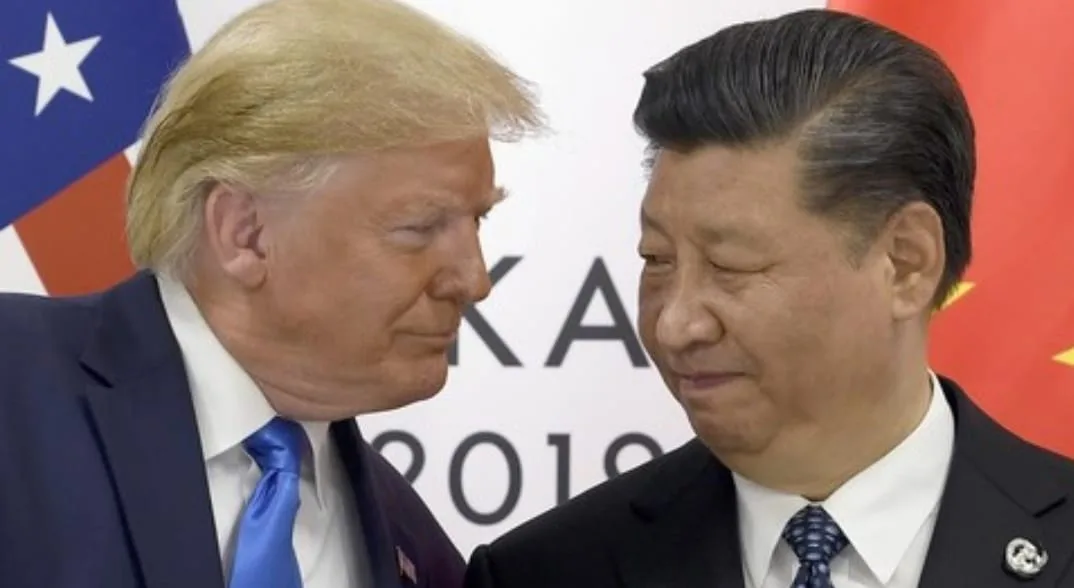
Legal Literacy - The trade war between the United States and the People's Republic of China since 2018 has become one of the biggest economic conflicts of the 21st century. Starting from protectionist policies implemented by the Donald Trump administration, this conflict soon escalated into an international dispute involving not only the two superpowers, but also creating a domino effect in various parts of the world. China's retaliation against US tariff policies is not only reactive, but also strategic and has broad implications—both from an economic, political and international legal perspective.
Background and Escalation of the Trade War
The US government in 2018 began implementing high tariffs on imported goods from China with a value of more than USD 360 billion. This policy is based on allegations that China is engaged in unfair trade practices, such as massive subsidies to domestic industries, forced technology transfer, and theft of intellectual property. In addition, the ever-increasing trade deficit is considered an indicator of inequality in bilateral trade relations.
China responded to this policy by imposing similar tariffs on exports from the US, with a value of around USD 110 billion. This escalation marked the beginning of a cycle of reciprocal tariffs affecting various strategic sectors in both countries, creating tensions that have not subsided to…














Comments
0Share your perspective politely, stay relevant, and focus on the article. Comments appear after moderation.
Join the discussion
Write a clear, polite response that stays on topic.
No comments yet. Be the first to discuss.
Comments will appear after moderation.