
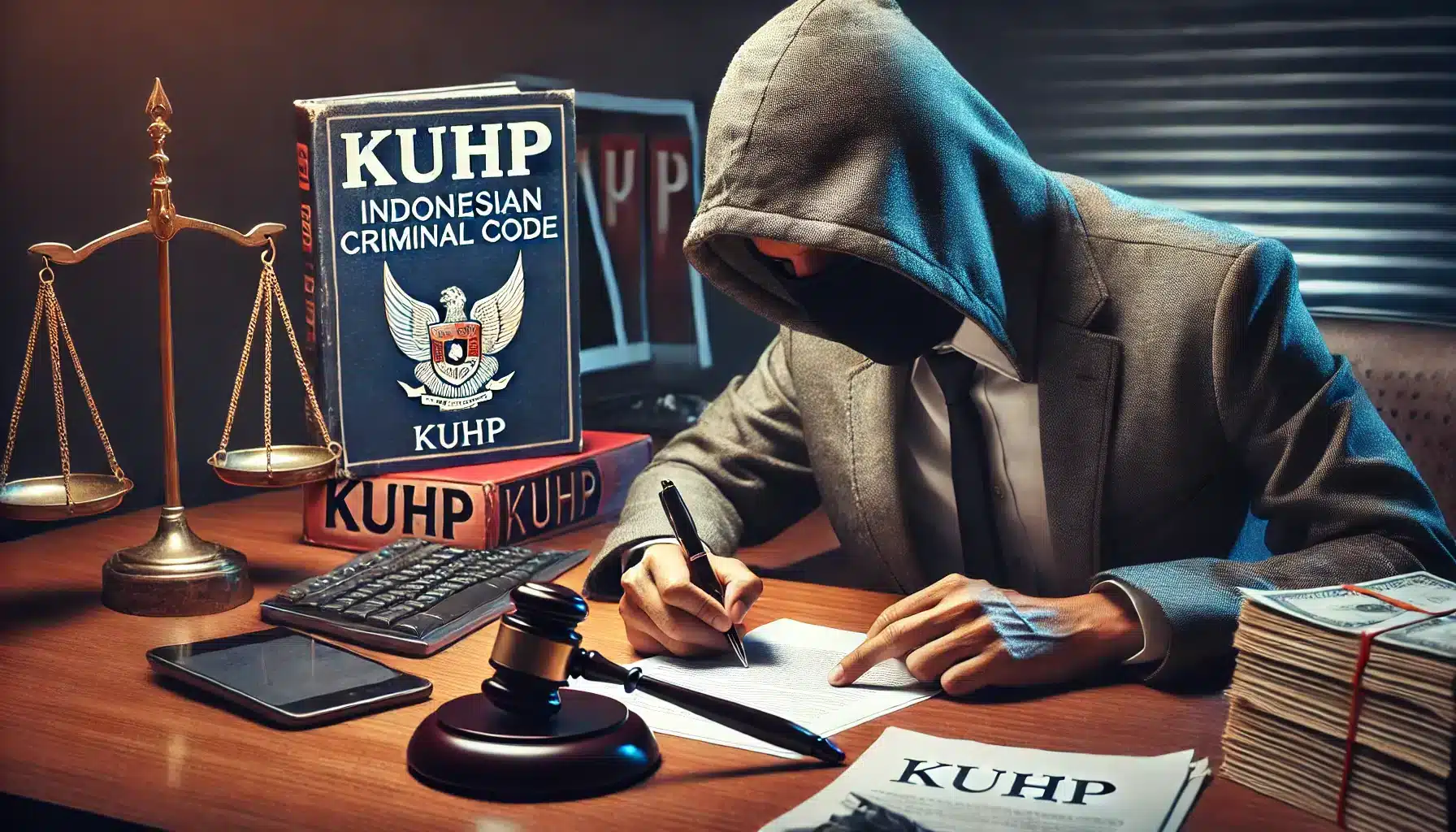
Legal Remedies in Falsification of Documents
False recording of letters is an illegal act and can be subject to criminal sanctions. Here are some legal remedies that can be taken related to the recording of fake letters, including:
- Article 263 Criminal Code (KUHP) where the recording of fake letters is included in the formal offense, not the material offense, so that the act of falsifying letters or making fake letters that are prohibited and subject to criminal sanctions does not depend on whether or not the perpetrator succeeds in deceiving. This article regulates making fake letters or falsifying letters that can give rise to a right, engagement, or debt, and is threatened with a maximum imprisonment of six years.
- Use of fake letters where in addition to forgery of letters, the use of fake letters can also be subject to criminal sanctions. Article 263 of the Criminal Code states that anyone who intentionally uses a fake or falsified letter as if it were true, if the use of the letter can cause harm, can also be subject to the same punishment
- Reporting to the authorities where if you are a victim or know of a false letter recording, it is important to report the incident to the authorities, such as the police or authorized agencies. By reporting the act of forgery, the authorities can conduct an investigation and take legal action against the perpetrator.
- Court where if the case of false letter recording enters the legal realm, a court process will be carried out. The court will examine the existing evidence and listen to the testimony of the parties involved. If found guilty, the perpetrator of letter forgery can be sentenced to criminal penalties, such as imprisonment.
Conclusion
In the false recording of letters and their validity, the importance of using Article 263 of the Criminal Code, criminal responsibility, the role of the government, juridical analysis, legal protection, in resolving cases of forgery of letters and data.


References
- Criminal Code (KUHP) Article 263 of the Criminal Code regulates the forgery of letters, Article 264 of the Criminal Code regulates the forgery of authentic deeds.
- Law Number 11 of 2008 concerning Electronic Information and Transactions Article 35 regulates the prohibition of entering false data or information into electronic systems.















Comments
0Share your perspective politely, stay relevant, and focus on the article. Comments appear after moderation.
Join the discussion
Write a clear, polite response that stays on topic.
No comments yet. Be the first to discuss.
Comments will appear after moderation.