
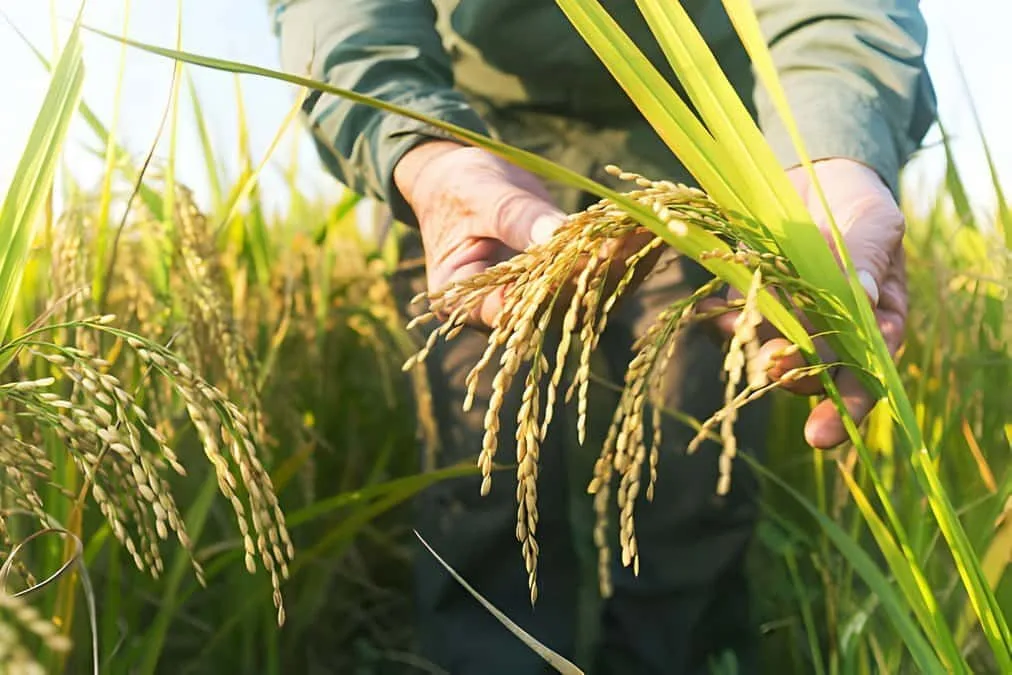
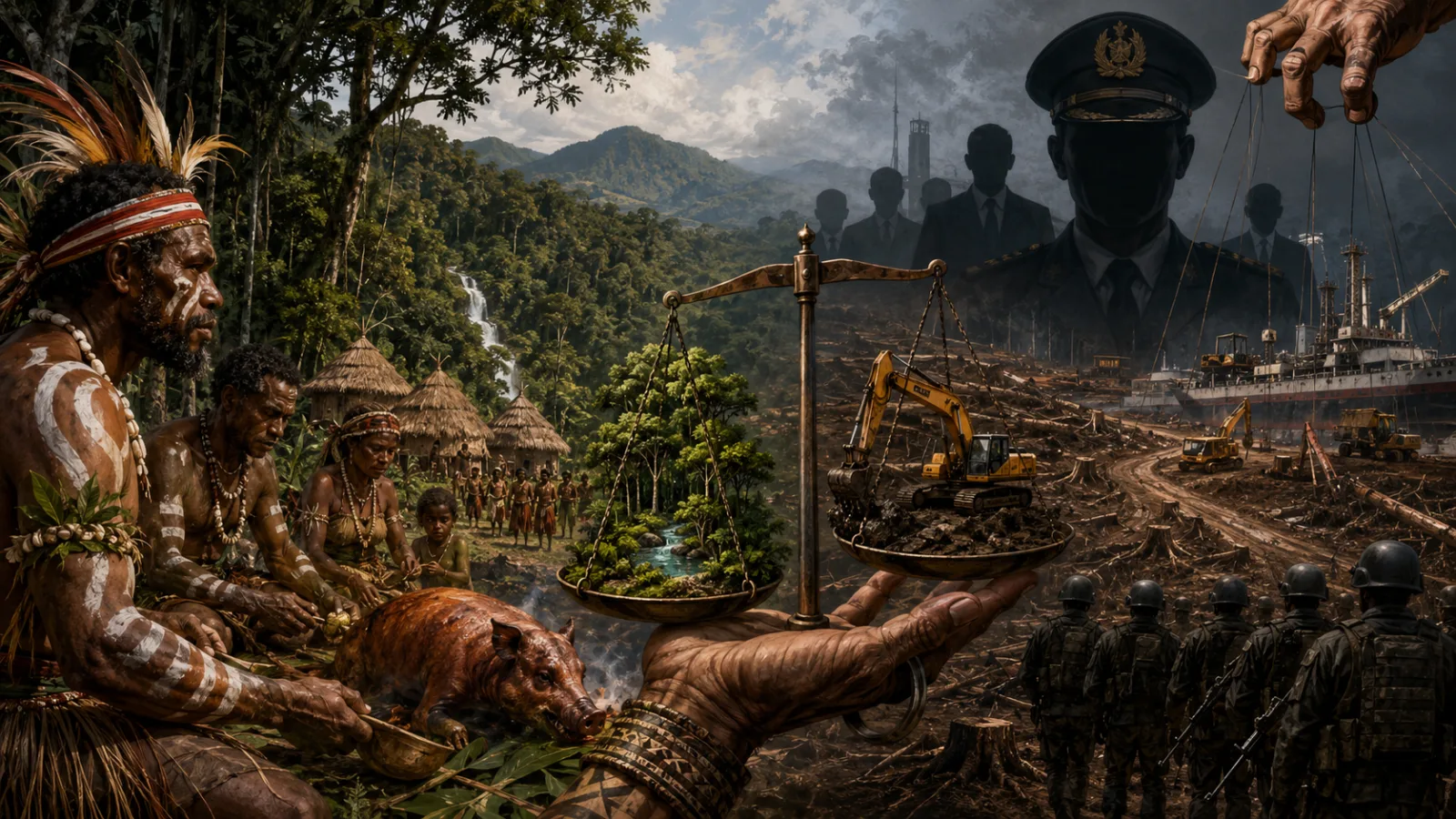
Legal Literacy - The Indonesian government issued an important policy to maintain national food security by providing Forest Areas for Food Security or Food Estate. However, this policy has sparked controversy because it converts protected and production forest areas for the food estateproject. Along with this, indigenous peoples have become victims because they have lost their customary land. This article discusses the negative impacts of the policy food estate on the environment and indigenous peoples, as well as the criticisms leveled against this project.
By: Jordan Mordekhai (Founder of Circular Economy Society, Alumnus of Faculty of Law, Universitas Padjadjaran)


To maintain national food security, the government of the Republic of Indonesia recently officially issued a crucial policy in the form of the Minister of Environment and Forestry Regulation Number P.24/MENLHK/SETJEN/KUM.1/10/2020 Concerning the Provision of Forest Areas for Development of Food Estate, the provisions of which were slightly amended in the Minister of Environment and Forestry Regulation Number 7 of 2021 concerning Forest Planning, Changes in Forest Area Designation and Changes in Forest Area Function as well as Use of Forest Areas, where the Provision of Forest Areas for Development of Food Estate or what is later written as Forest Area for Food Security legitimizes the conversion of production forest areas and/or protected forest areas for the food estateproject. According to the Director General of Forest Planning and Environmental Management, Sigit Hardwinarto, this policy is a national strategic program and is considered quite urgent in order to support food sovereignty in the future.[1]
Instead of being considered urgent, the food estate policy as stipulated in the regulation has sparked controversy, leading to condemnation because the beleid regulation is controversial because Article 19 of the Minister of Environment Regulation Number 24 of 2020 concerning the Provision of Forest Areas for Development of Food Estate, states that; “the provision of Forest Areas for development of Food Estate using the KHKP determination mechanism, is carried out in: Protected Forest Areas; and/or Production Forest Areas. The Protected Forest area referred to according to the legal arrangement is a protected forest that is no longer fully functioning as a protected area in accordance with the provisions of laws and regulations”.[2]
In fact, it needs to be carefully noted that if the protected forest area referred to in Article 19 of the Minister of Environment and Forestry Regulation is not functioning, it should be restored to its function as stated in the Minister of Environment and Forestry Regulation No. P.105/MENLHK/SETJEND/KUM.1/12/2018 concerning Procedures for Implementing, Supporting Activities, Providing Incentives, as well as Guidance and Control of Forest and Land Rehabilitation Activities, not converted into the provision of forest areas for development of food estate.

















Comments
0Share your perspective politely, stay relevant, and focus on the article. Comments appear after moderation.
Join the discussion
Write a clear, polite response that stays on topic.
No comments yet. Be the first to discuss.
Comments will appear after moderation.