
Legal Literacy - Environmental issues in Indonesia are not only related to natural problems, forests, or climate change, but are also closely related to democracy and human rights. Environmental activists, indigenous peoples, and academics who voice their rejection of extractive projects often face threats, intimidation, and even criminalization. For example Daniel Frits Maurits Tangkilisan who continues to voice #Savekarimunjawa due to illegal shrimp ponds, he was imprisoned and received pressure for voicing his aspirations in the media. Daniel is one of the people who cares about the environment and is criminalized. This phenomenon is known as Strategic Lawsuit Against Public Participation (SLAPP), which is the use of legal instruments to silence public criticism.
Amidst the rampant cases of criminalization of environmental activists,the Constitutional Court through Decision Number 119/PUU-XXIII/2025is present to bring new hope. This decision reaffirms the position of Anti-SLAPP in Indonesian law, providing stronger protection for individuals who care about the environment. Furthermore, this decision also affirms the close relationship between environmental protection, democracy, and human rights as guaranteed by the constitution.Democracy & Shrinking Public Space
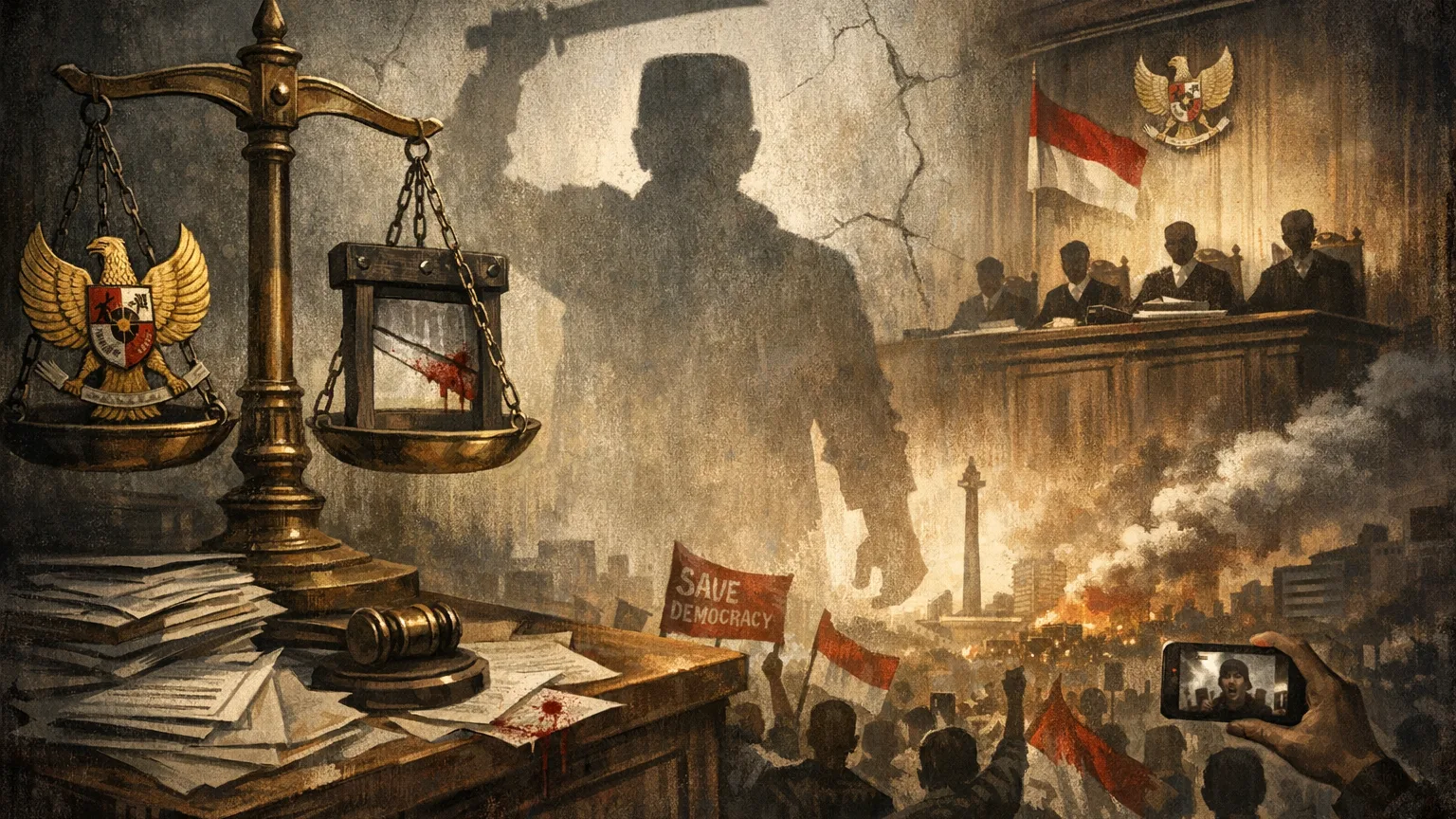
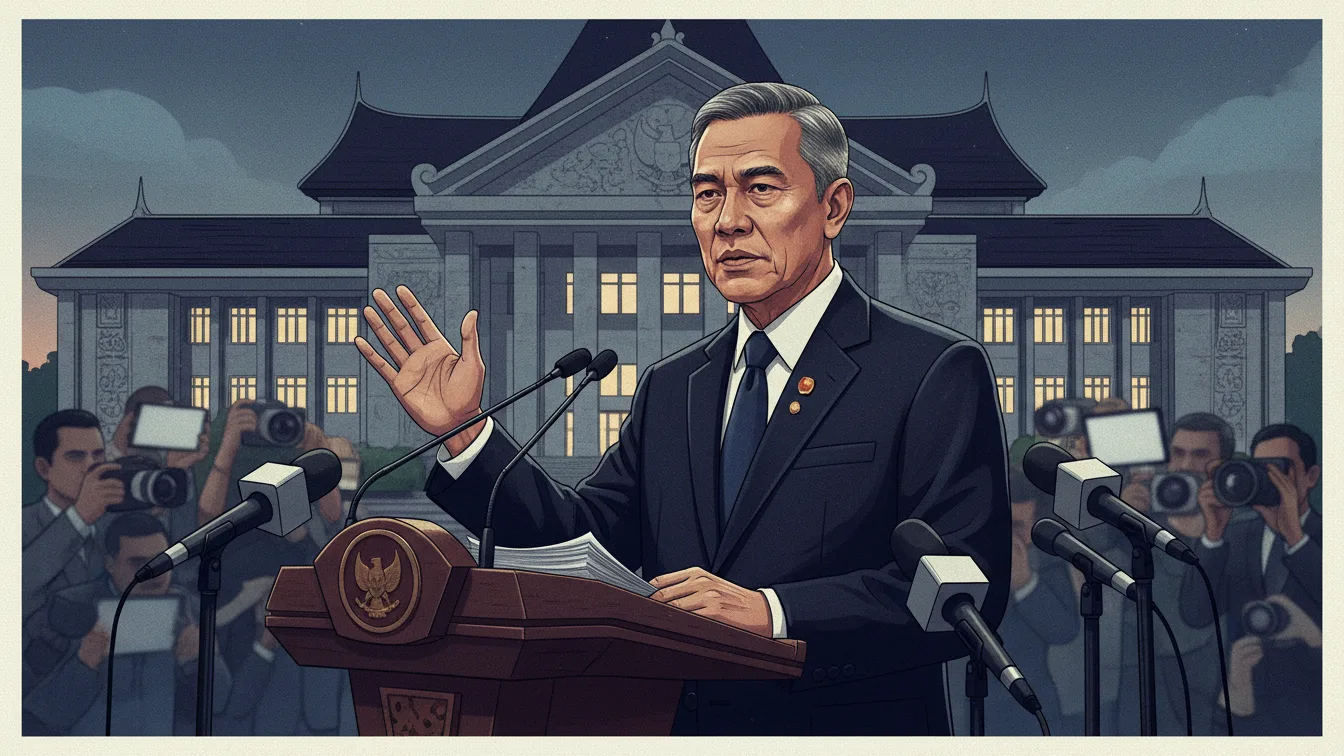
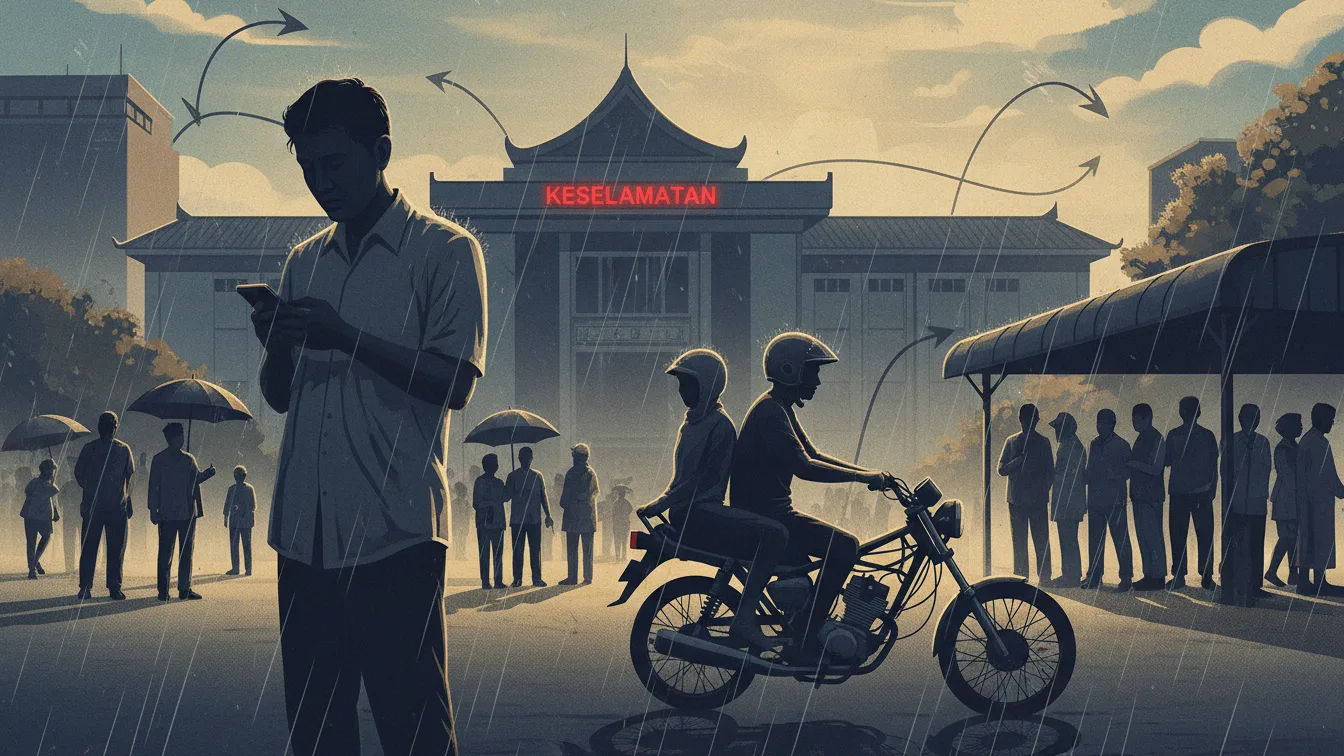
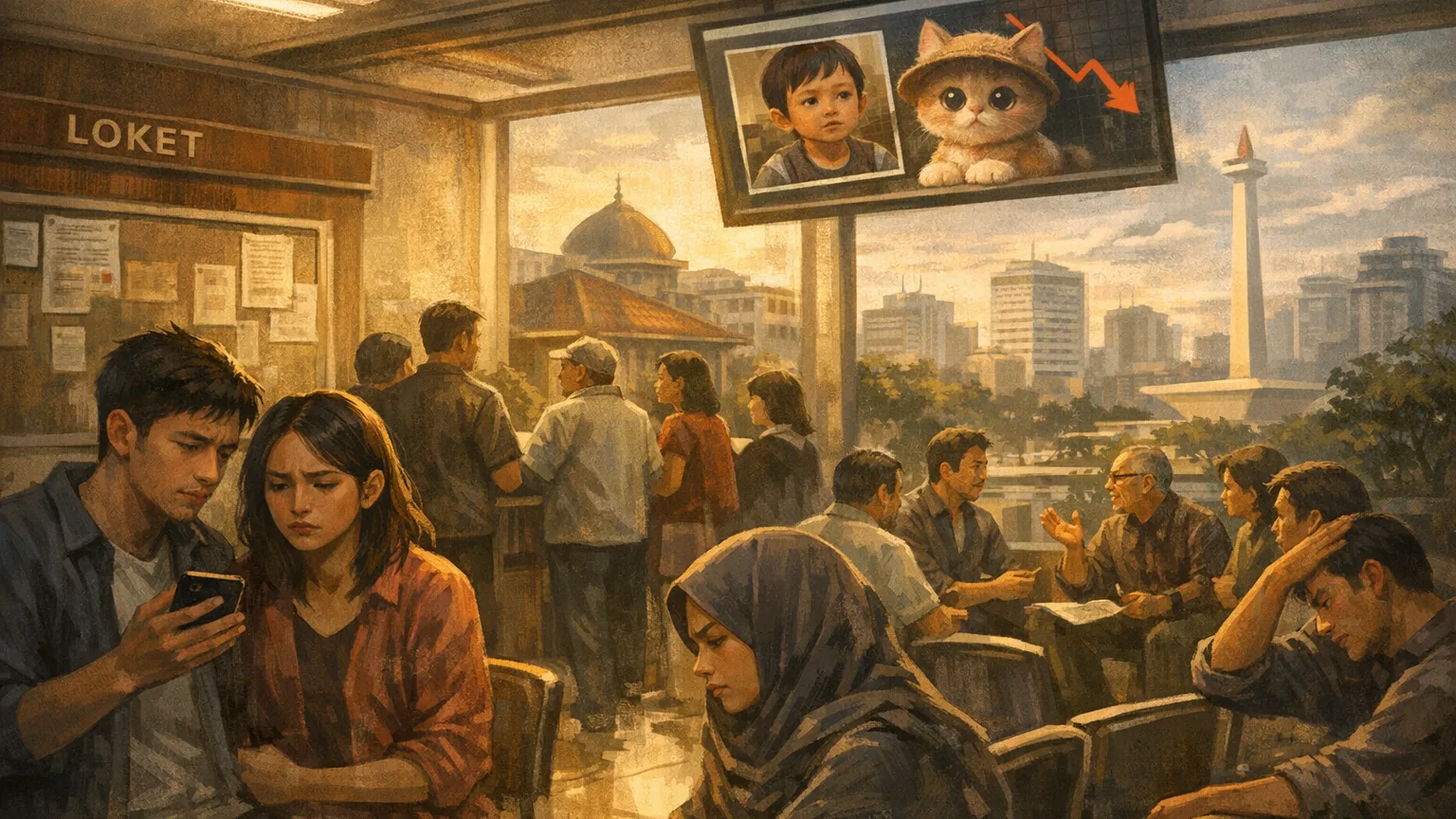
True democracy requires space for citizens to criticize, participate, and voice their aspirations, including criticism of development policies that damage nature. When voices of criticism are answered with criminal proceedings, democracy becomes merely a slogan.Daniel's case shows how legal processes can be used to suppress democratic space. The reporting process, rapid trials, social pressure, threats of intimidation—all these elements signal that voicing environmental damage can lead to criminalization. Criminalization of activists actually creates a chilling effect. People become afraid to speak up, democratic space shrinks, and ultimately public decisions are dominated by political and corporate interests.


Thus, Anti-SLAPP is not just a technical legal instrument, but also a prerequisite for democracy. Without this protection, public participation will always be under threat.
















Write a comment