2025 Demonstration: The Substance of Democracy Revealed
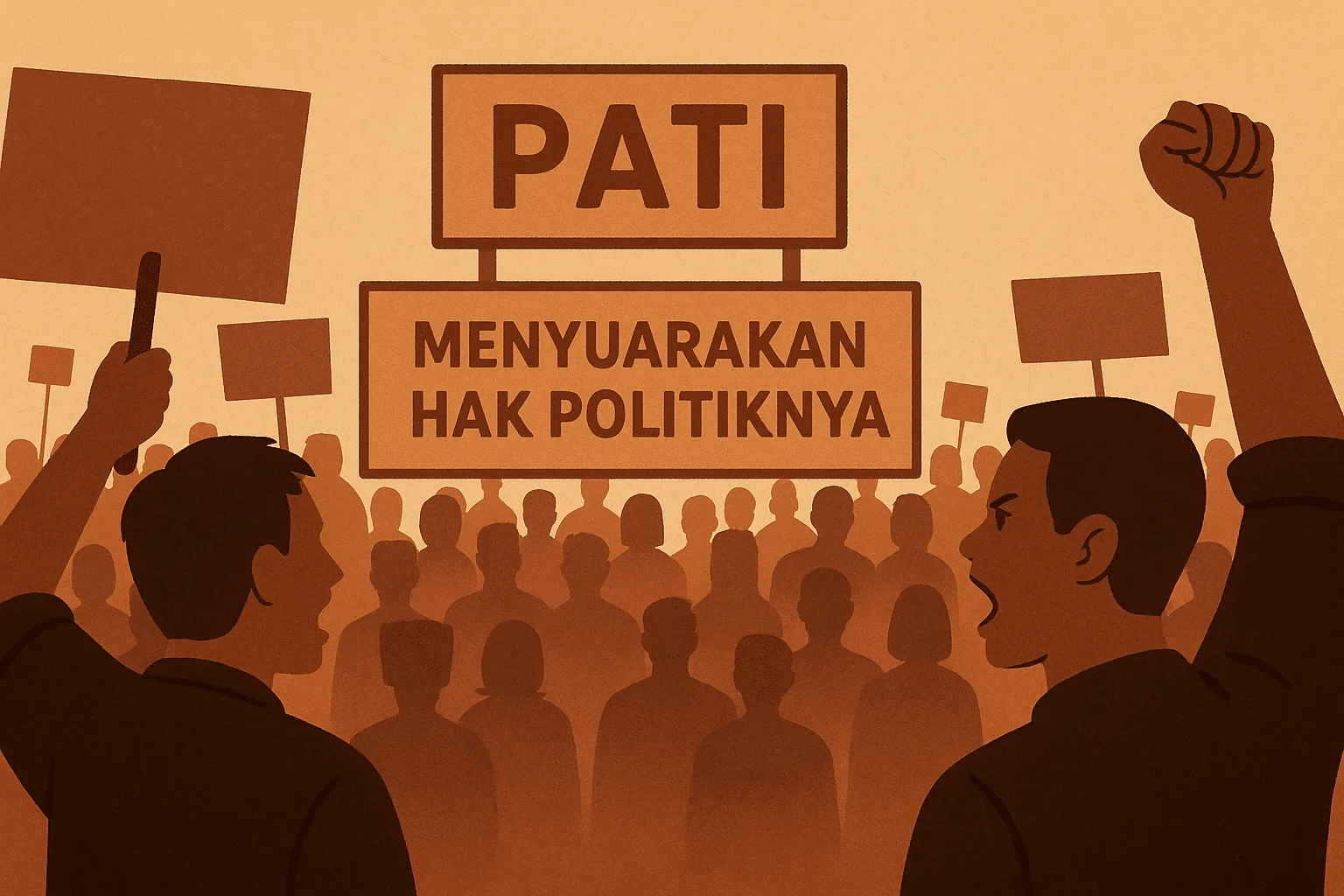
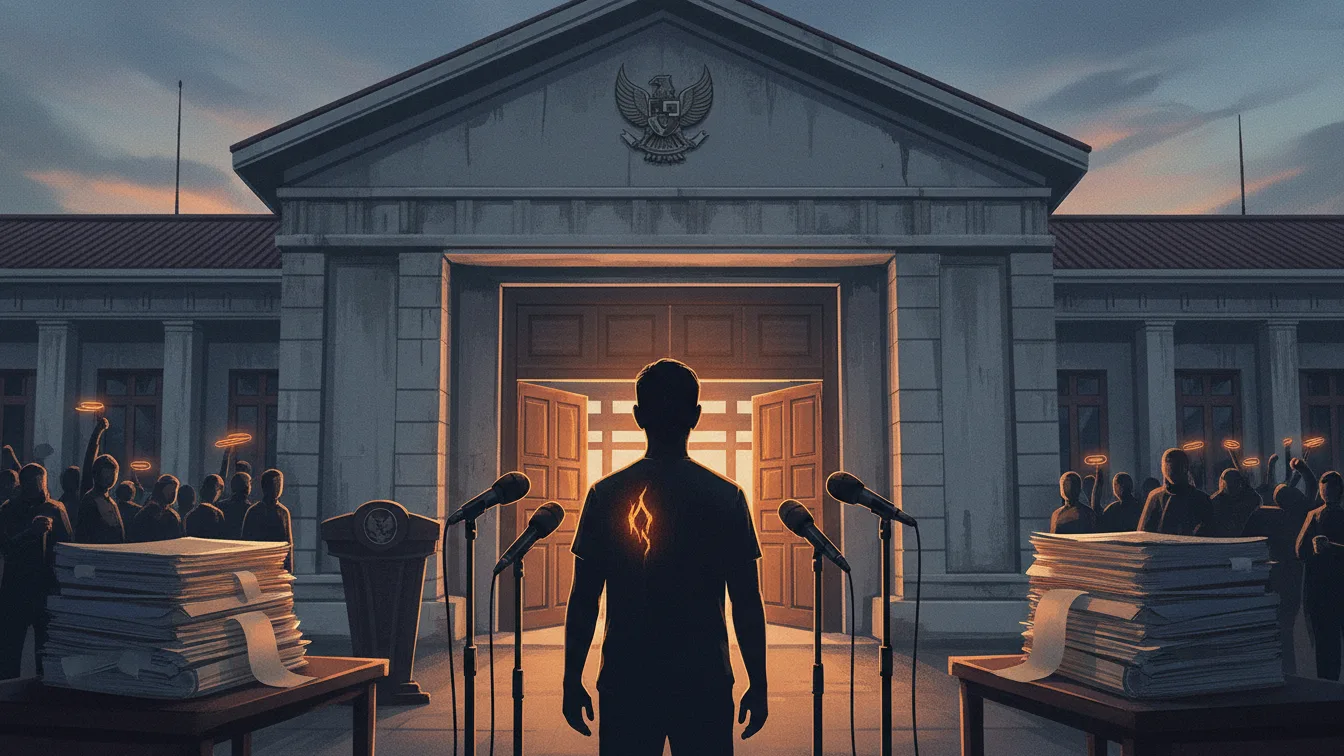
On August 10–13, 2025, Pati exploded. Actions by students, youth, farmers, traders, and ex-hospital employees occupied the town square. They rejected the 250% increase in PBB-P2 (Land and Building Tax), demanded the resignation of Regent Sudewo, and canceled various other controversial policies.
The action involved 85,000–100,000 people, the largest in Pati's history. The conflict briefly heated up when the police prepared
water cannon, but the crowd refused to disperse. Concrete results emerged: the tax policy was canceled, and the Pati DPRD opened an inquiry to investigate the regent.
A member of the DPR assessed:
“The people's struggle… becomes the spirit for the emergence of a healthy and sovereign democratic process”, proving that people's sovereignty can be fought for even though official channels of criticism are limited.
Democracy Will Not Come from Above
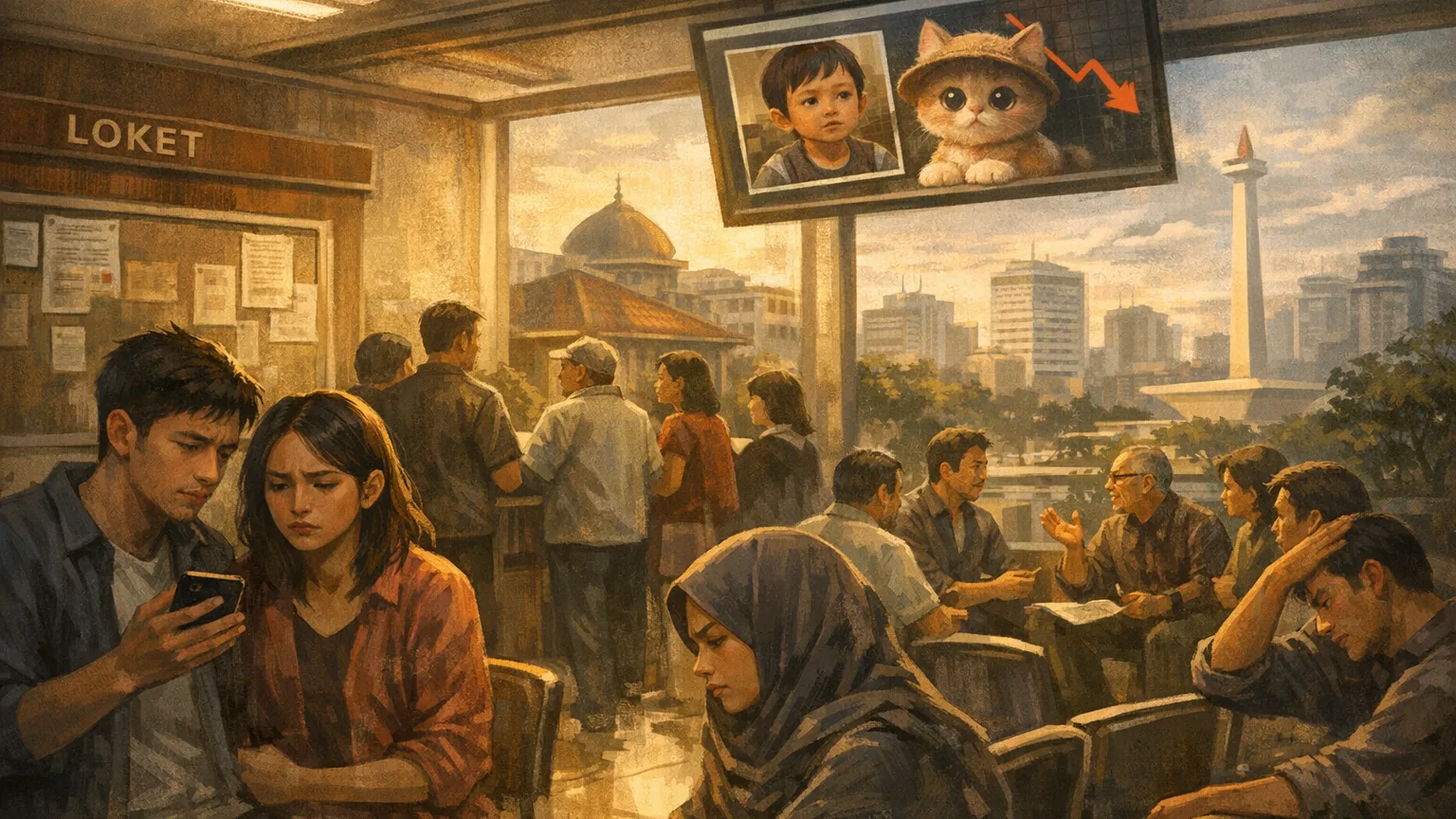
The Pati incident revealed a truth that is often ignored: democracy will not come from the generosity of rulers. It must be seized, defended, and brought to life from below.
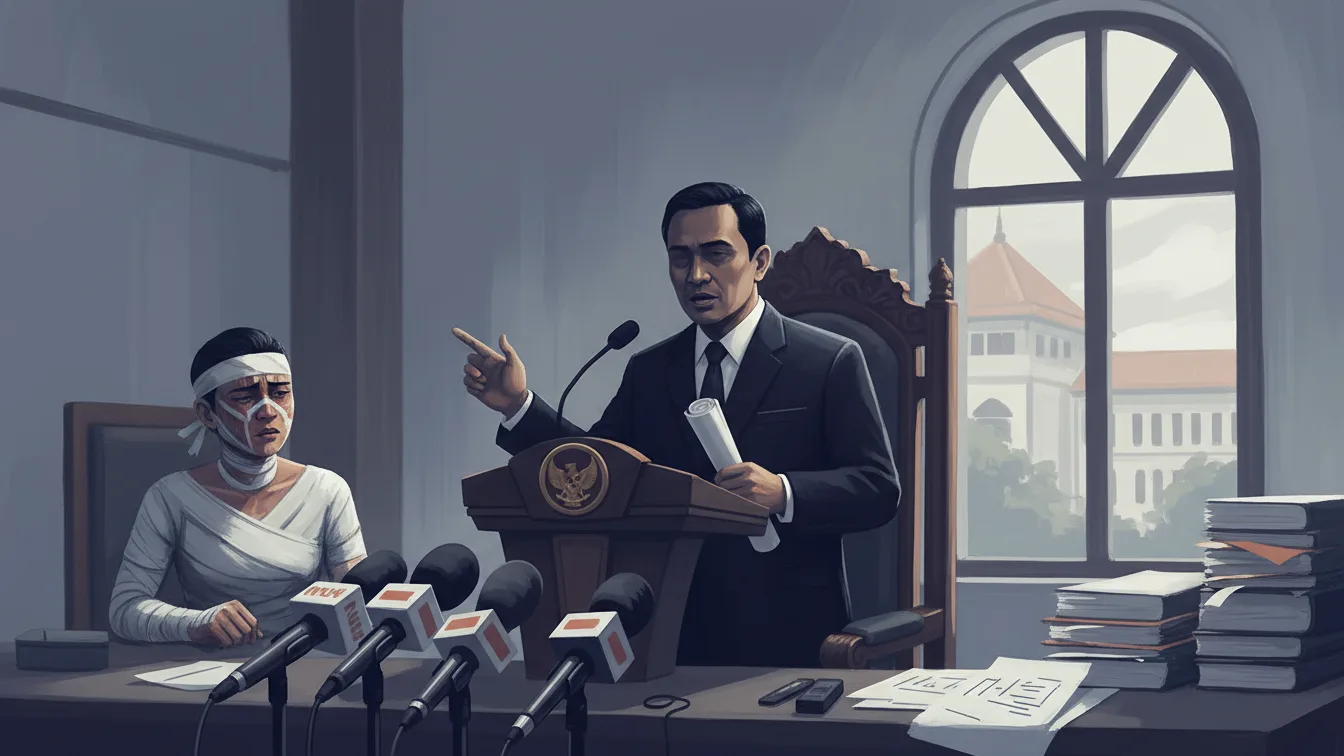
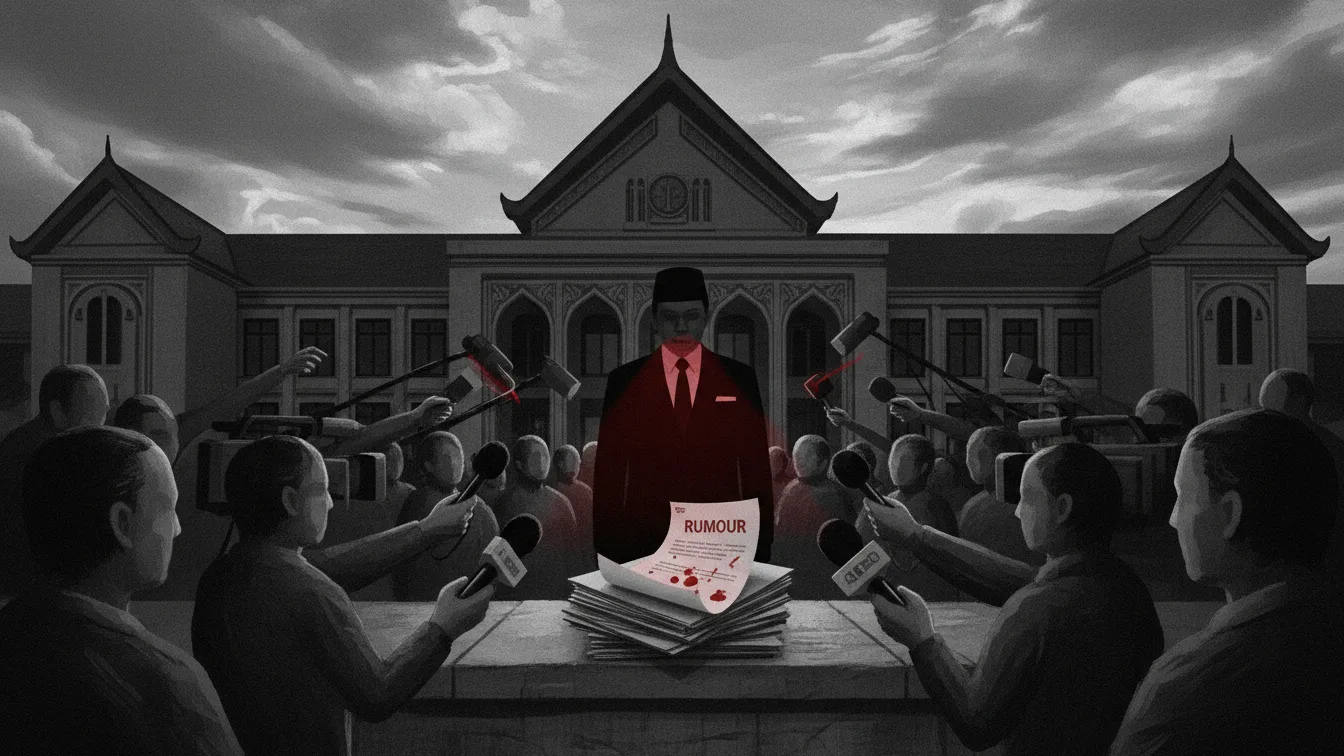
So far, the concept of “democracy” has often been treated like political cosmetics: beautiful in speeches, luxurious in government documents, but poor in practice. State institutions invite the people to “speak up” only when it is safe for their image. As soon as that voice becomes disruptive, it is silenced by regulations, the strength of the apparatus, or
framingmedia.
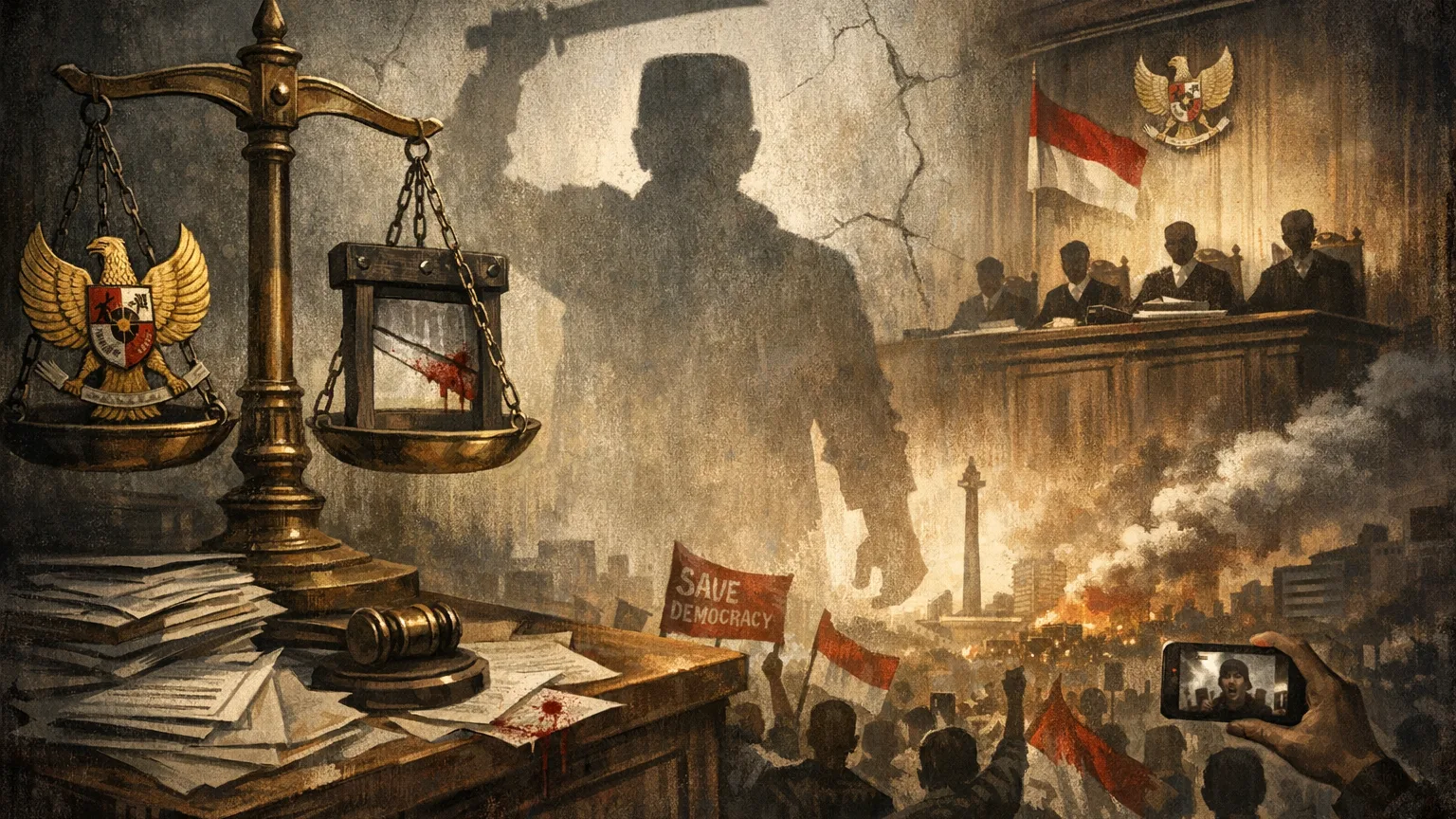
The Pati demonstration was a disturbance—but a healthy disturbance. A disturbance that proves that ordinary people are capable of shaking the order when they unite. It is a
stress testfor democracy: if the state responds with repression, it means that democracy is false; if the state accommodates and engages in dialogue, it means that democracy has hope.
















Write a comment