
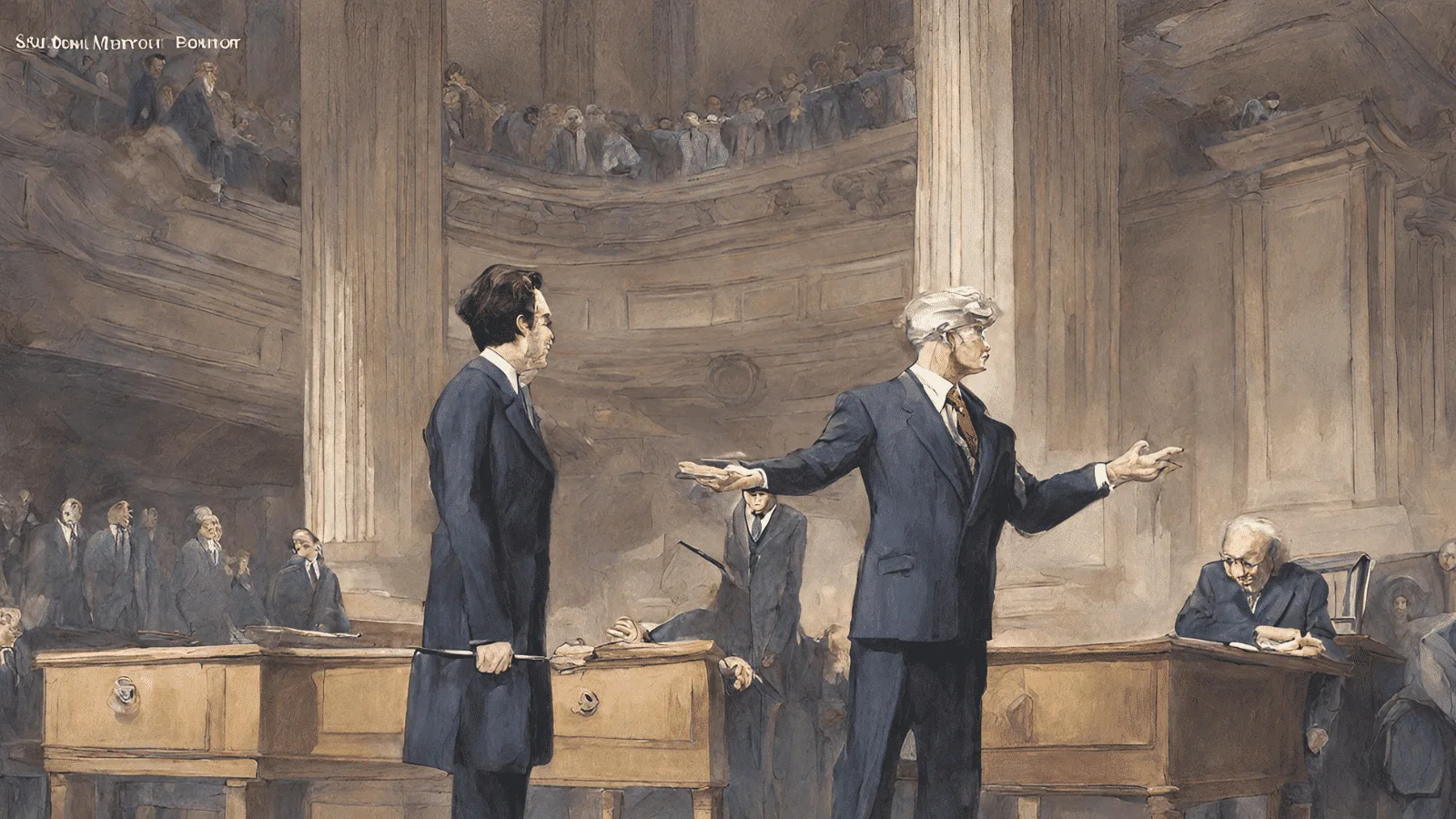
Scope of Prosecution
The scope of criminal case prosecution includes:
1. Pre-prosecution:
At this stage, the public prosecutor conducts research and examination of the investigation case files submitted by the investigator. The public prosecutor may provide instructions to the investigator to complete the case file if deficiencies are found.
2. Prosecution:
After the investigation case file is declared complete, the public prosecutor will prepare an indictment and submit it to the authorized district court. The indictment contains a description of the criminal act charged to the suspect along with supporting evidence.
3. Transfer of Case to Court:
The public prosecutor transfers the criminal case to the authorized district court along with the indictment and evidence.
4. Prosecution in Court:
The public prosecutor will be present at the court hearing to prove the charges against the defendant. The public prosecutor will present witnesses and evidence to support the charges.
5. Termination of Prosecution:
Prosecution can be terminated for several reasons, including:
- The suspect dies;
- Insufficient evidence;
- The case is closed in the public interest;
- The suspect has reached the probation period;
- The suspect has obtained rehabilitation by a judge's decision.
6. Execution of Court Decision:
If the defendant is found guilty by the judge, the public prosecutor will submit a request for execution of the court decision to the executing prosecutor.


















Write a comment