
Regarding the Forum, the Problem Lies in the Contradiction of Norms
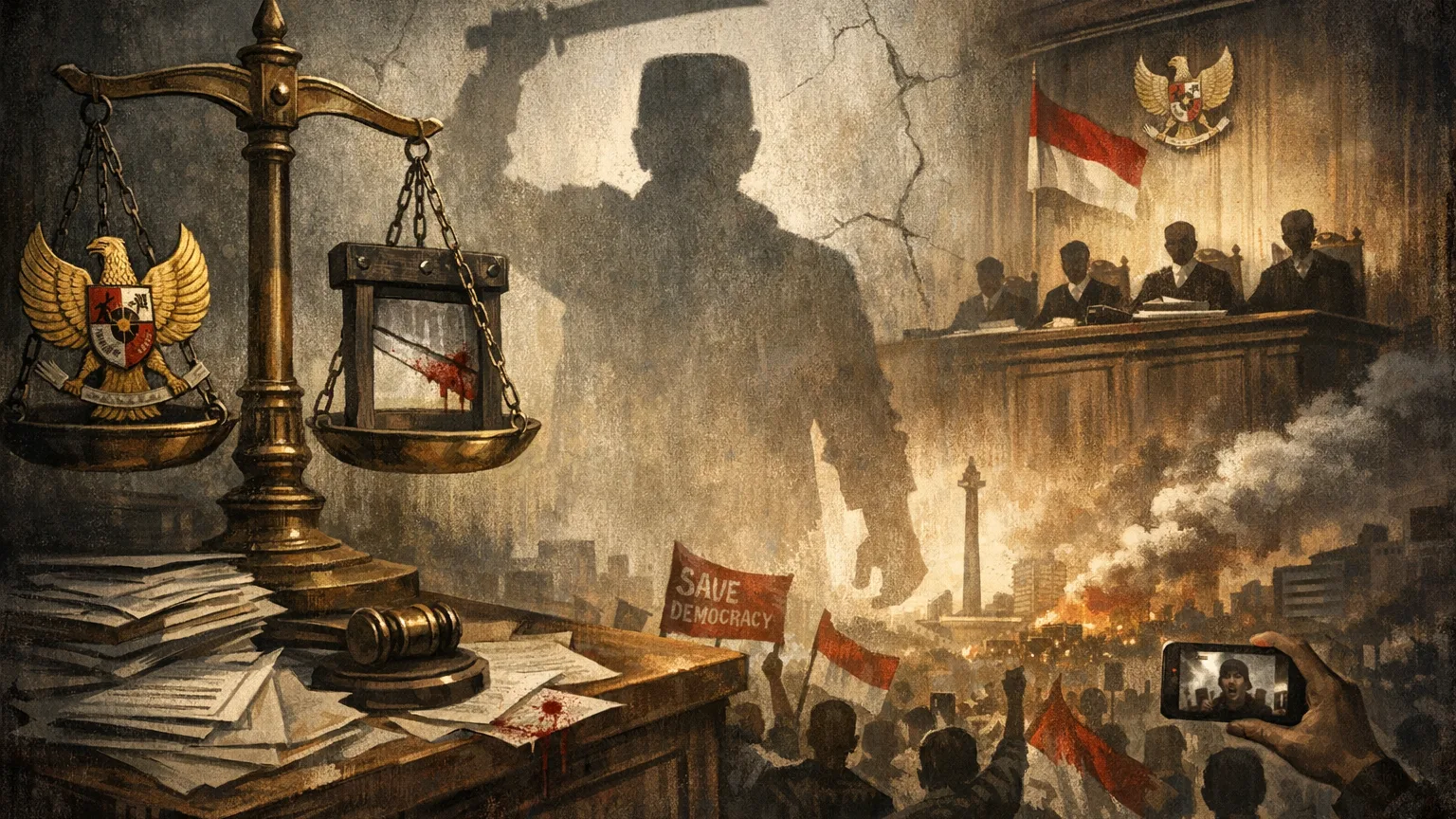
The initial draft was too quick to conclude that military perpetrators should be directly tried in public courts. Normatively, Article 65 paragraph (2) of the Indonesian Military Law does contain that direction. However, the prevailing legal architecture is not that simple. Article 74 of the Indonesian Military Law actually postpones the enactment of Article 65 until a new military court law exists. As long as the new rule has not been formed, Law Number 31 of 1997 concerning Military Courts remains the basis. That is where the problem lies. So, the problem is not only institutional reluctance, but also the existence of a transitional design that has been allowed to become a haven for dual jurisdiction for too long.
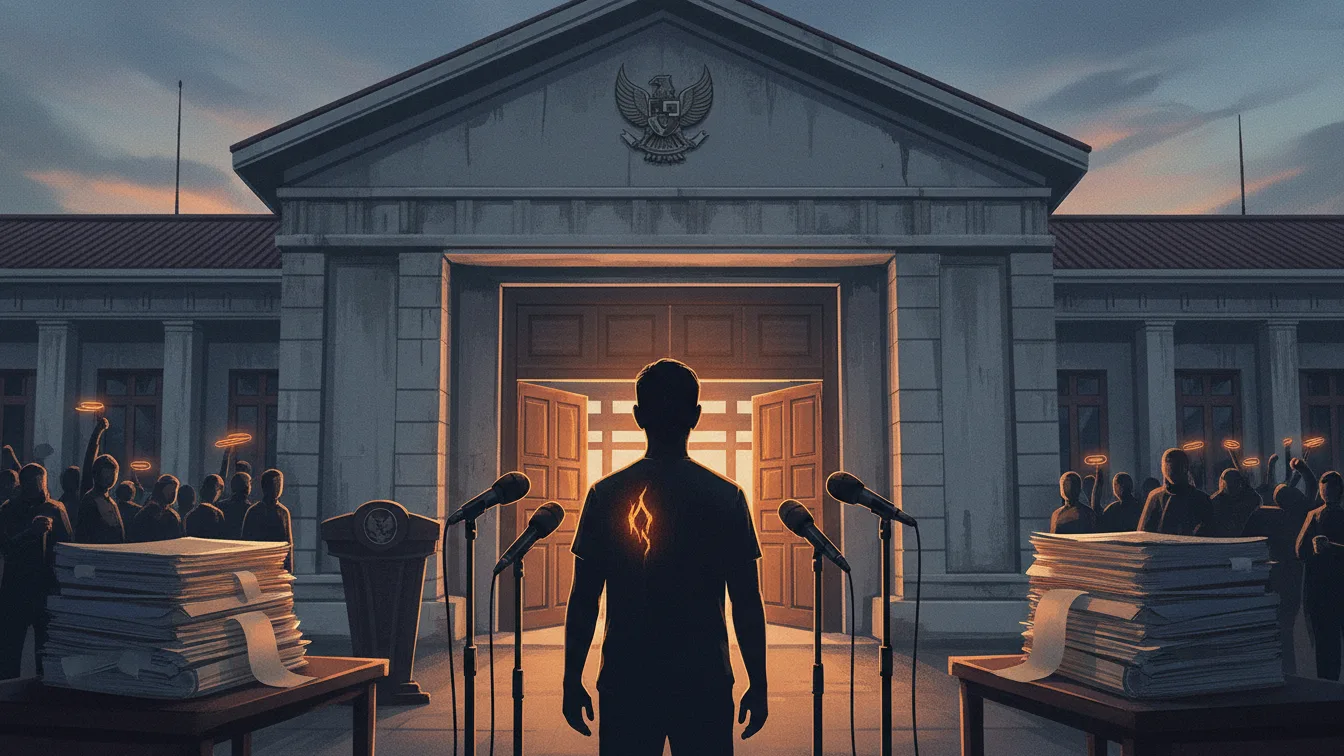
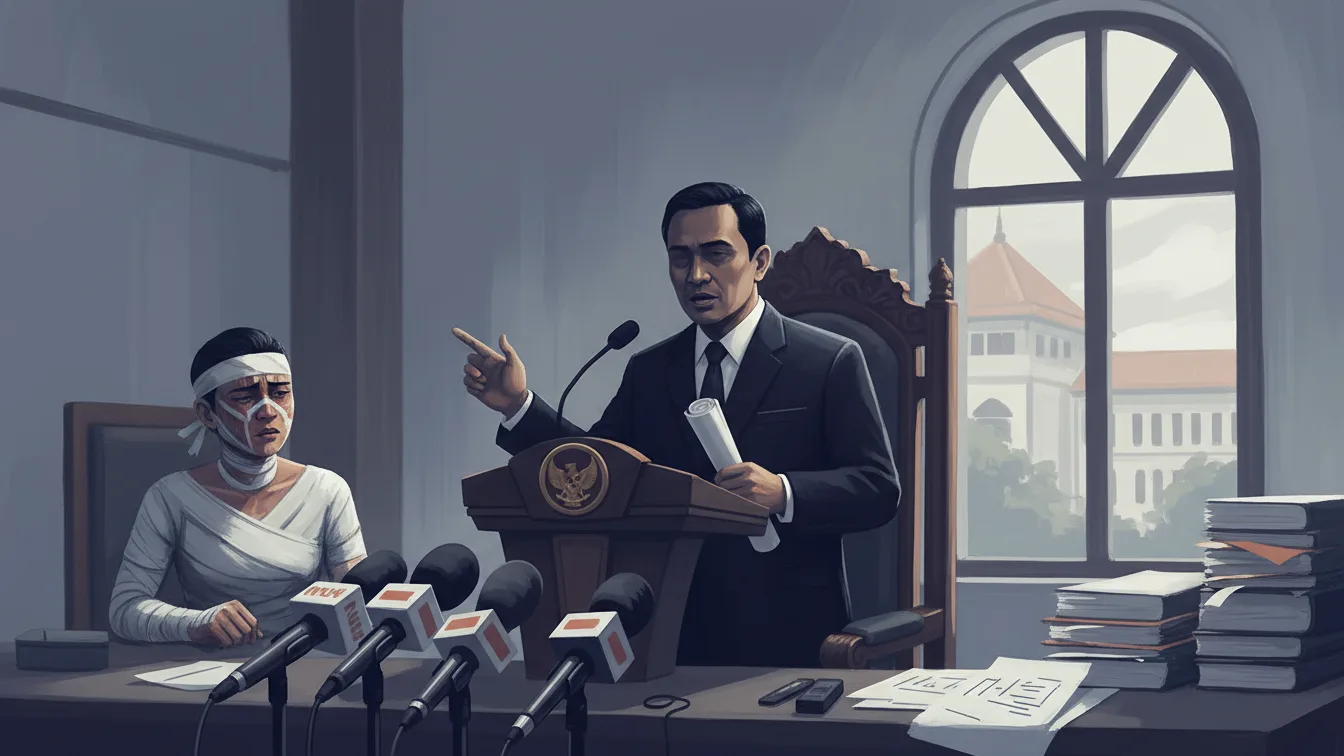
Therefore, a more precise position is not to say that public courts will definitely apply now, but rather that this case again shows how urgent military court reform is. As long as the transitional norm is maintained, every general criminal case involving Indonesian Military soldiers will continue to revolve around forum disputes, not focusing on fully uncovering the perpetrators, planners, and chain of responsibility. For this reason, the main push at this time should be directed at process transparency, openness of evidence, and the ability of investigators to penetrate the possibility of actors behind the field perpetrators.





















Write a comment