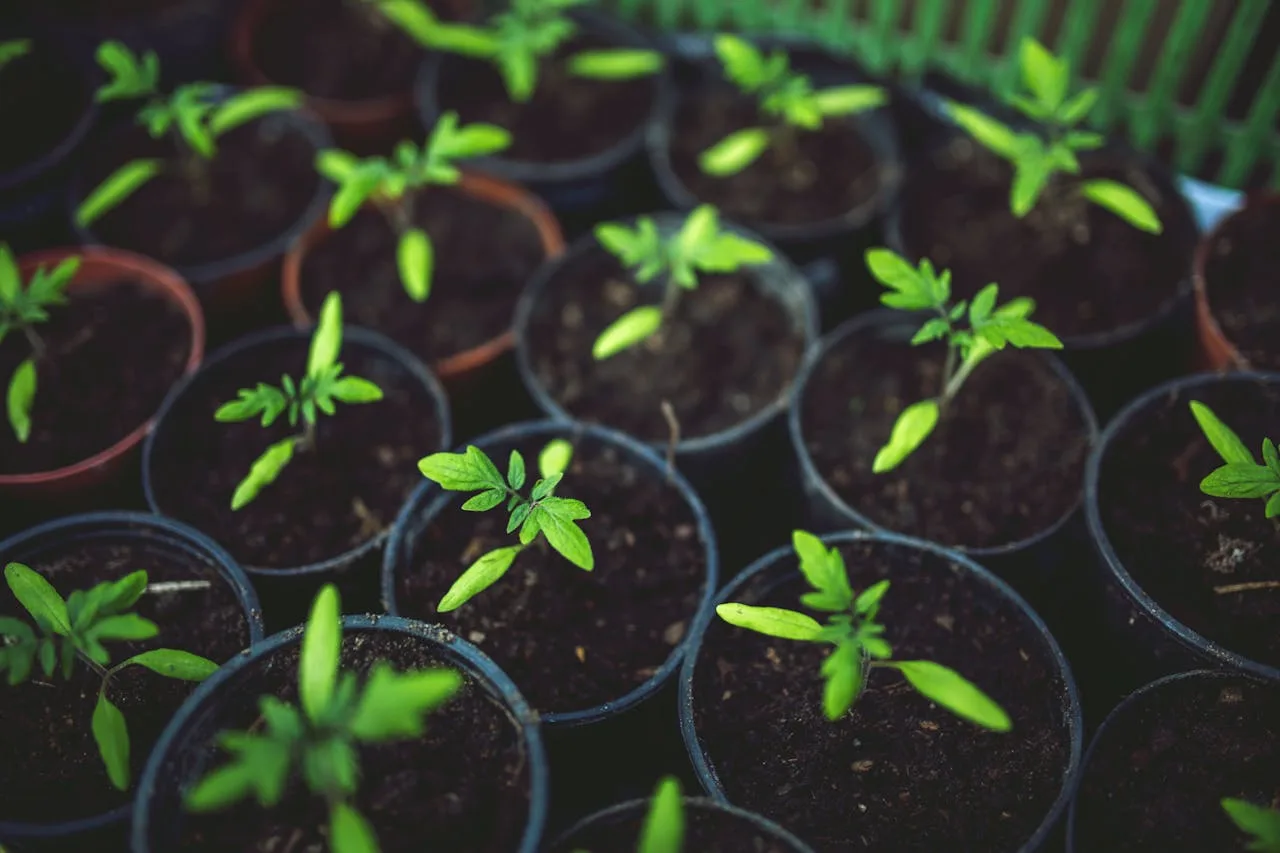
Peeking into BPS Data: The Reality of the Forestry Sector
Data Statistics Indonesia (BPS) in the report Environmental Statistics of Indonesia shows that the forestry sector is still the main contributor to the carbon absorption target through the program FOLU Net Sink 2030. Although forest cover area faces challenges, peatland restoration and mangrove rehabilitation efforts show significant progress recorded in national spatial data.
BPS also recorded an increase in investment in the renewable energy sector. The synchronization of data between the extent of protected forests and the reduction of emissions in the industrial sector becomes a "savings book" for the government to calculate emission quotas that can be legally traded at the domestic and international levels.


Indonesia Carbon Exchange (IDXCarbon)
Finally, we have an official place! The launch of IDXCarbon by the Indonesia Stock Exchange marks a new milestone in the green economy. Now, domestic companies can trade carbon units with a transparent system and directly supervised by the Financial Services Authority (OJK). Until early 2024, the trading volume continues to grow in line with the mandatory emission restrictions for the power generation sector.
The existence of this local exchange facilitates liquidity for green projects in the regions. The spirit is the democratization of carbon; where the benefits of maintaining clean air do not only circulate in Jakarta, but can also be felt by village forest managers in remote areas of the archipelago through a fair profit-sharing scheme.
Challenge: Integrity and Rights of Indigenous Peoples
The road to a green economy is not always smooth. The biggest challenge is ensuring that carbon trading does not become a "license to continue polluting" for wealthy companies. In addition, the social aspect is very sensitive. Based on international standards, carbon projects must include free, prior and informed consent (FPIC) from local indigenous communities.
The protection of forests in the name of carbon should not restrict the movement of local people who have been protecting the forest for generations. Data integrity and the protection of human rights must be the main pillars so that the "green" label on our carbon credits is truly free from agrarian conflicts.
The Future: Indonesia as the World's Financial Lung
In the future, Indonesia has the opportunity to redefine the meaning of economic sovereignty. We will no longer only depend on exporting physical commodities that damage nature, but rather exporting "ecosystem services". Being the lungs of the world is no longer a historical burden, but a competitive advantage that provides sustainable financial incentives.
If managed with technology blockchain for transparency and consistent regulation, carbon trading will become a pillar of new economic growth. This is the moment for Indonesia to prove to the world that economy and ecology can go hand in hand. Green economy is our present reality.
References
Statistics Indonesia. (2023). Environmental Statistics of Indonesia 2023. Jakarta: BPS RI.
Ministry of Environment and Forestry. (2022). Ministerial Regulation Environment and Forestry Ministerial Regulation Number 21 of 2022 concerning Procedures for Implementing Carbon Economic Value. Jakarta: JDIH KLHK.
Government of Indonesia. (2021). Presidential Regulation Presidential Regulation Number 98 of 2021 concerning the Implementation of Carbon Economic Value for Achieving Nationally Determined Contribution Targets and Greenhouse Gas Emission Control in National Development. Jakarta: State Secretariat.
Indonesian Government. (2023). Law Number 6 of 2023 concerning the Stipulation of Government Regulation in Lieu of Law Number 2 of 2022 concerning Job Creation into Law. Jakarta: State Secretariat.
Statista. (2024). Carbon Credit Markets Worldwide - Statistics & Facts. Retrieved from [Statista.com].
United Nations. (2015). Paris Agreement to the United Nations Framework Convention on Climate Change. Paris: UN Climate Change.






















Write a comment