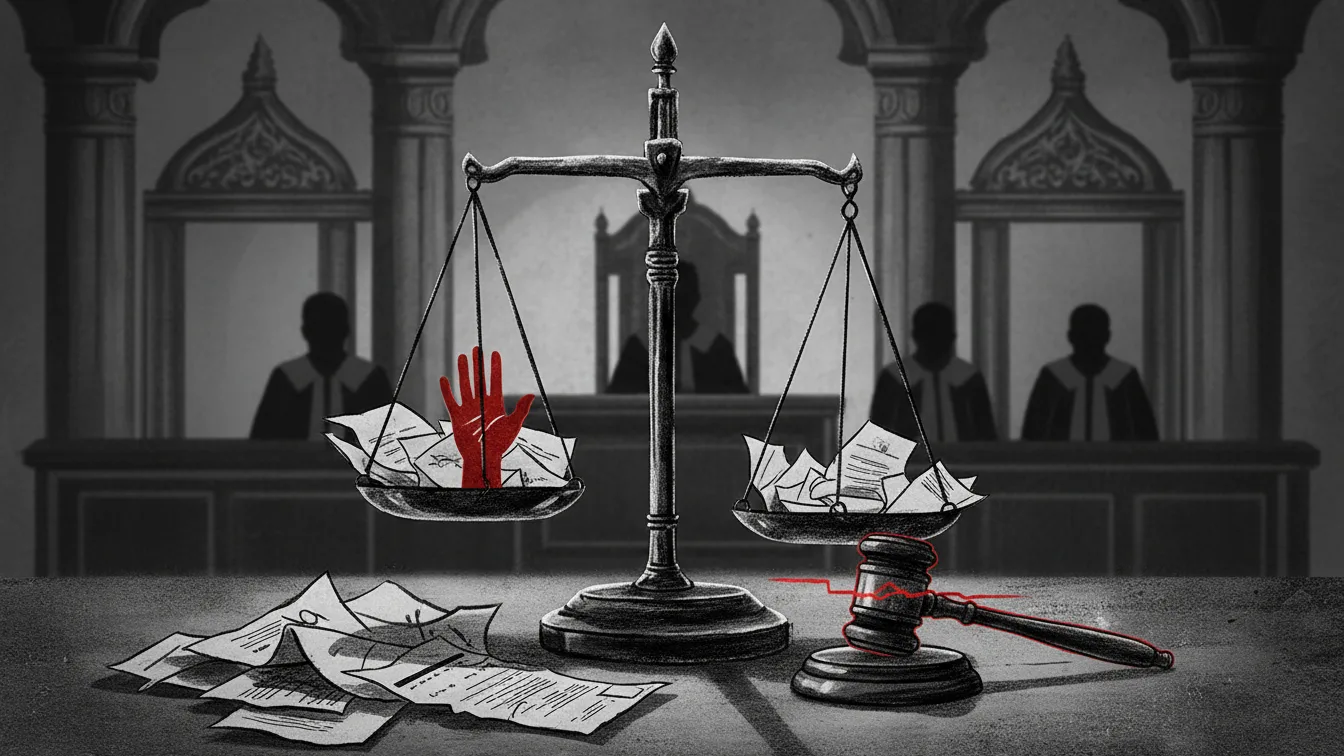
Supreme Court Regulation BPSK Decision
BPSK decisions have a clear legal basis. Article 54 paragraph (3) of the Consumer Protection Act affirms that the decisions of the BPSK panel are final and binding on the disputing parties. In other words, in principle, each party is obliged to implement the decision. However, the law also provides room for parties who disagree to file an objection to the court. This mechanism is regulated in more detail in Supreme Court Regulation Number 1 of 2006 concerning Procedures for Submitting Objections to BPSK Decisions.
The existence of this objection mechanism shows a balance between legal certainty and the rights of the parties to obtain a re-examination. Parties who feel aggrieved still have the opportunity to ask the court to re-evaluate the BPSK decision. Thus, even though BPSK decisions are final, the legal system still provides room for protecting the rights of dissatisfied parties.


Final and Binding Deadline
One of the important things to understand is when a decision of the BPSK (Consumer Dispute Resolution Agency) is considered to have permanent legal force or is final and binding. This provision can be found in Article 56 paragraph (2) of the Consumer Protection Act. In short, a party wishing to file an objection has a maximum of 14 days from the date the decision is notified.
Supreme Court Regulation Number 1 of 2006, specifically Article 7 paragraph (1), affirms the same. If within 14 days no objection is filed, the BPSK decision automatically becomes final and binding. It is at that point that the winning party can take legal steps to execute the decision through the court, if the losing party has not voluntarily fulfilled its obligations.
























Write a comment