
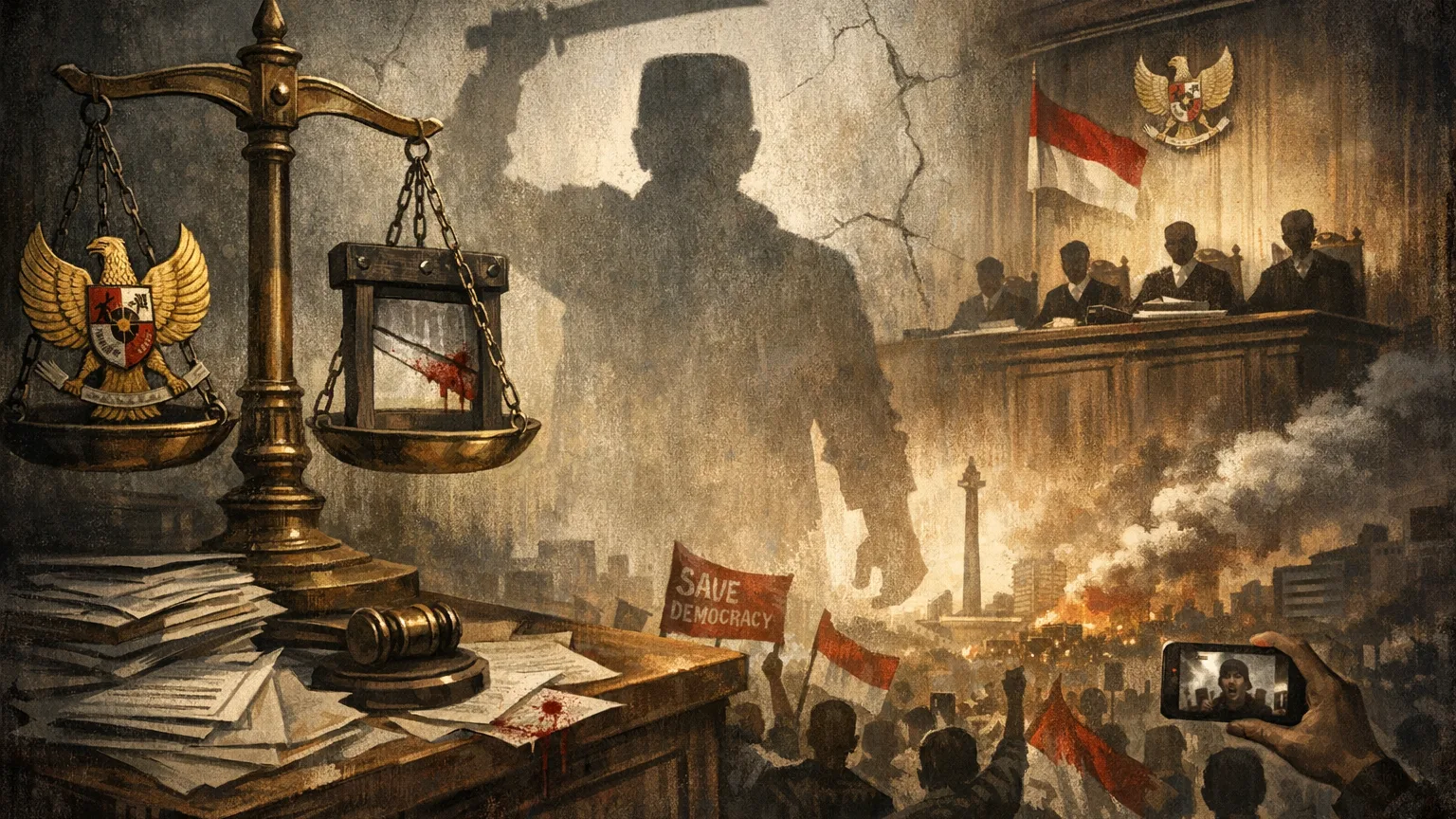
Jakarta, Literasihukum.com – The Indonesian legal system is entering a new and historic era. As of January 2, 2026, the new Criminal Code (KUHP) or Law Number 1 of 2023 officially comes into full effect, ending the dominance of Wetboek van Strafrecht (WvS), a colonial legacy that has been entrenched for more than a century. This momentum is not just a change in legal texts, but a fundamental paradigm shift from retributive justice to corrective, rehabilitative and restorative justice.
Entering the first week of the enactment of the National Criminal Code, public and legal practitioners are focusing on the readiness of law enforcement officials in the field. This transition demands rapid adaptation, given the significant changes in the principle of legality and the recognition of the living law or law that lives in society. The provisions regarding the law that lives in society are a challenge in themselves at the implementation level, given the need for strict parameters so as not to create legal uncertainty or over-criminalization in the regions.
In addition to material issues, the formal aspect related to sentencing guidelines is also a hot discourse. Judges are now required to further explore the values of justice by considering new, more humane sentencing guidelines, including prioritizing fines and social work for minor crimes, instead of short-term imprisonment. This…



















Write a comment