Amnesty Plan for Corruptors Awaits Presidential Directives
JAKARTA, LEGAL LITERACY - The government is still awaiting directives from President Prabowo Subianto regarding the planned granting of amnesty to perpetrators of corruption. The Minister of Law and Human Rights, Supratman Andi Agtas, affirmed...

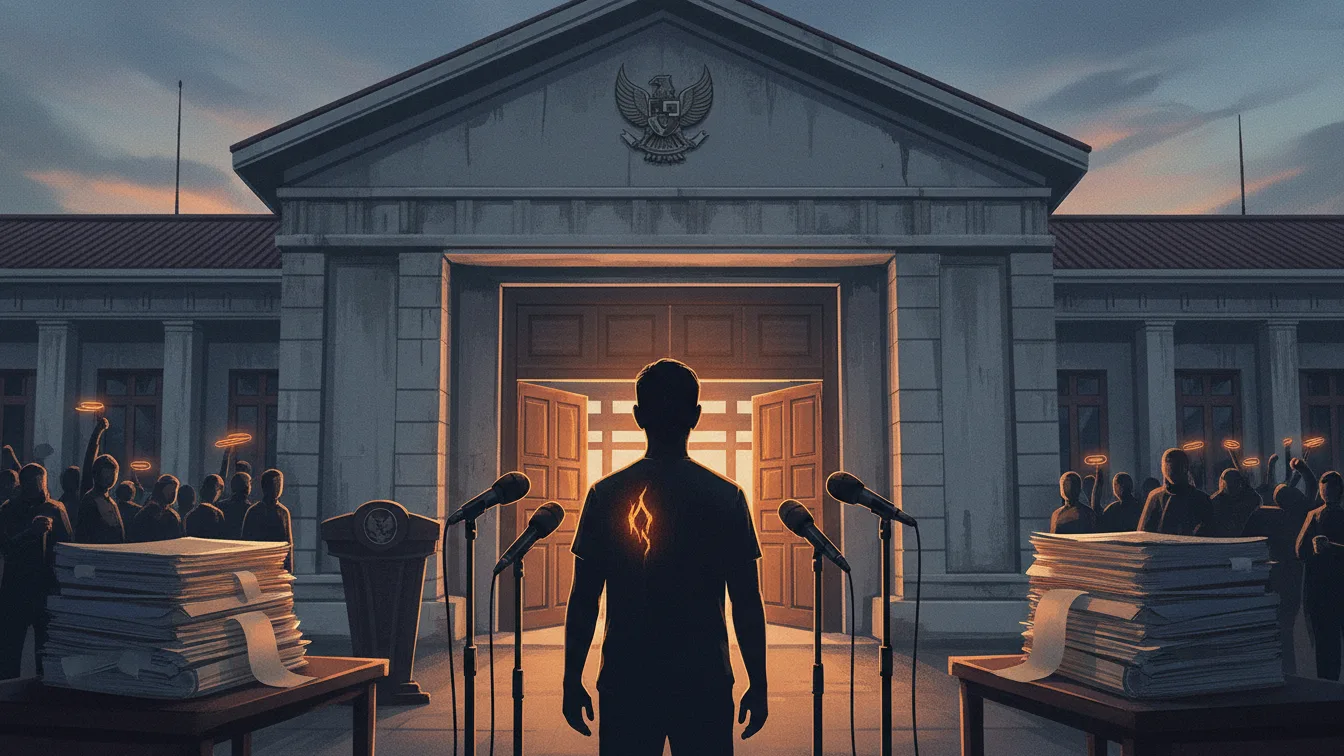
JAKARTA, LEGAL LITERACY - The government is still awaiting directions from President Prabowo Subianto regarding the plan to grant amnesty to corruption perpetrators. The Minister of Law and Human Rights, Supratman Andi Agtas, emphasized that this process will not be carried out without strict supervision from related institutions, such as the DPR and the Supreme Court.
Supratman explained that granting amnesty must go through the approval of the DPR, while clemency requires consideration from the Supreme Court. "Amnesty involves the DPR, while clemency must obtain consideration from the Supreme Court. All of these processes are strictly supervised," said Supratman in his press statement, Monday (23/12/2024).
Support
• Indonesian Legal Literacy
Read more comfortably, while supporting literacy.
Join Membership or submit your article for publication.
Membership
Read without ads, focus more, and access premium features.
Submit Article
Submit your writing—we curate and help publish it. If it is published, you have the opportunity to earn points/payouts according to the terms.
Related Articles
See more





Popular Articles






Latest News
View all news




Public Space
See All





Pasang Iklan
Write a comment